A Divorce Story
This morning, Arend and I walked into City Hall to file for divorce. What I felt wasn’t grief. It was freedom.
I know that may sound confusing. Ending a ten-year marriage is no small thing. We stood before God once, made vows, and brought an eight-year-old daughter into the world together. And Arend was only ever good to me—loyal, dedicated, an amazing father, steadfast. I understand why, when people hear about our divorce, their first words are often: “Oh, I’m so sorry. That’s terrible.”
We often hear about how high the divorce rate is, even among Christians. What surprises me is that the church hasn’t yet caught on to why. If we want to redeem the sacrament of marriage, we have to begin with the way God actually designed our bodies. We need to understand the nervous system—and the way trauma and insecure attachment patterns shape how we love. So many people enter marriage from a place of woundedness and unworthiness, and then the marriage keeps reflecting those same painful patterns. Until we bring the body into the story, until we understand what presence, safety, and healing really look like, marriage will continue to repeat old cycles instead of becoming a reflection of our deepest love.
Ironically, in my own story, the only people who have rejected me or abandoned me after my separation have been Christians—and they have done so without asking a single question, without a shred of curiosity. Sometimes I hear remarks like, “I’ll be praying for you… praying for your healing,” as if to say that because I ended my marriage I must not be healed, or that the devil has a hold on me. While I appreciate prayers, the irony is this: the very reason I ended my marriage is because I have healed. I’ve come into presence. And this didn’t come from praying up to a man in the clouds. It came through feeling—through allowing the trauma energy that was stuck in my body for decades to be released and renegotiated. Only then, in presence, could I truly meet and break bread with this Jesus I had grown to both love and fear because of what had been done in His name.
When I made the decision to separate from Arend, I felt Jesus take me in his arms. I could almost feel him stroking my hair, whispering: “I know, sweetheart. I know you were as happy as you knew how to be when you married Arend. I know.” That is presence. That is love. Perfect love casts out fear, and perfect presence does the same. So if your prayers come from true presence, you won’t flinch. You won’t turn away. You won’t reject or abandon. You will stay—just as Jesus does—because his message was and is love.
What I know now is that love is not an abstract concept. Love is what safety in the body feels like. Faith is not just belief—it is the capacity to stay present. The gospel is not about striving harder, but about returning home to yourself, to presence, to God-within. And the energy I was taught to fear as “witchcraft” is actually the Spirit of God—breath, life, love pulsing through us. The good news is not far away. It is already here, in our very bodies.
Sometimes people ask me, “But what about Scarlett?” What I’ve found is that as I’ve come home to myself—into joy, into presence, into peace—I see it reflected directly in her. Why is it that in my regulated state, she has become the most peaceful, joyful version of herself I’ve ever known? Because the joy and peace of a mother living fully alive is the greatest gift a child could ever receive.
A Catholic priest once said to me, “Marriage is not so much for your happiness as it is for your holiness.” And to that, I call bullshit. I believe that a full-body, conscious yes on a wedding day—marrying someone from a place of presence—is absolutely for both happiness and holiness. In fact, that is the only way to holiness.
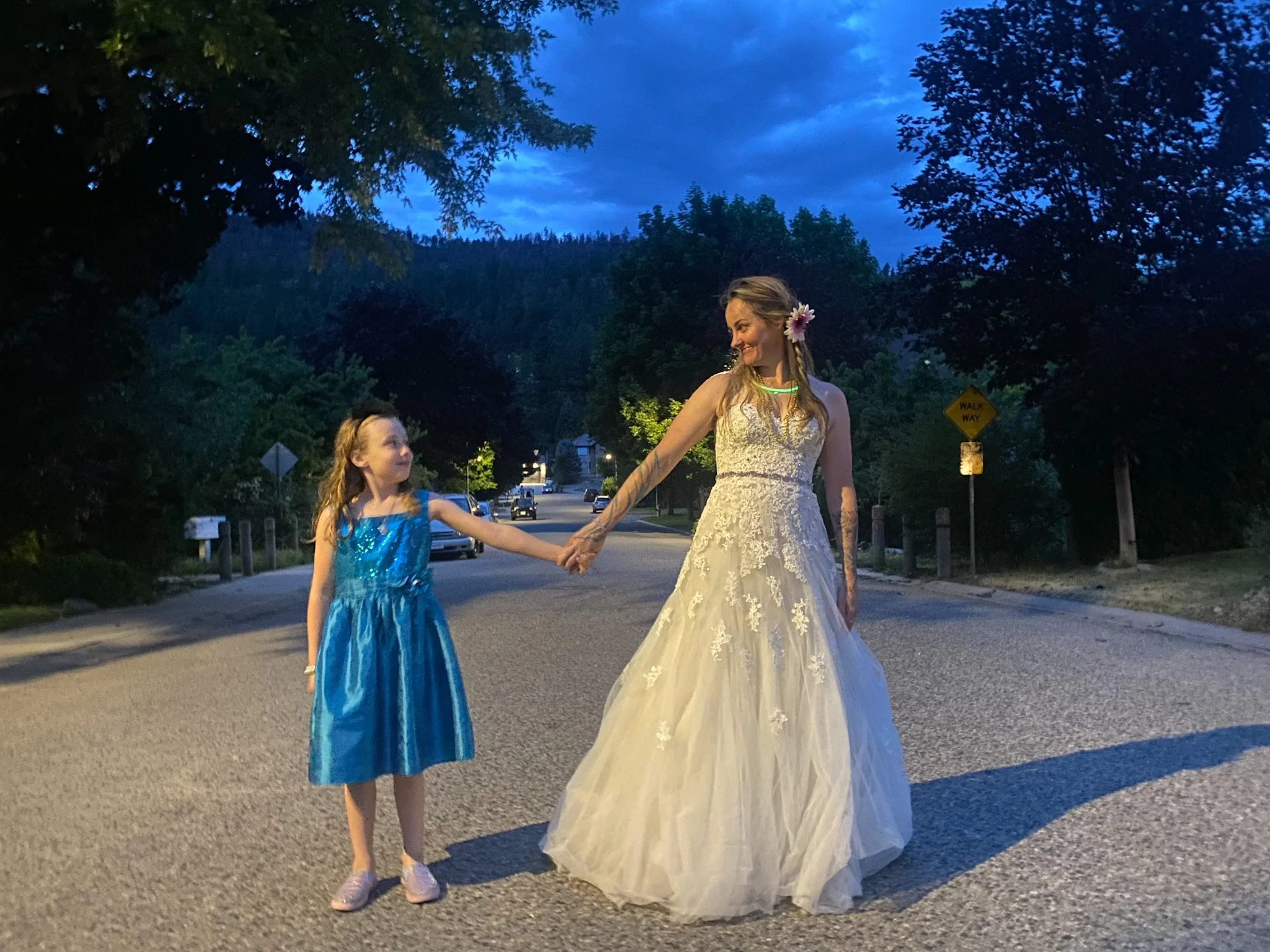
So when people tell me, “I’m so sorry you’re getting divorced,” I want to gently smile and say—there’s no need to be sorry. This is what it looks like when a woman who once abandoned herself finally comes home. This is what it looks like when survival gives way to freedom. This is what it looks like when a daughter inherits not her mother’s trauma, but her mother’s peace. This is what it looks like when the gospel finally becomes good news.
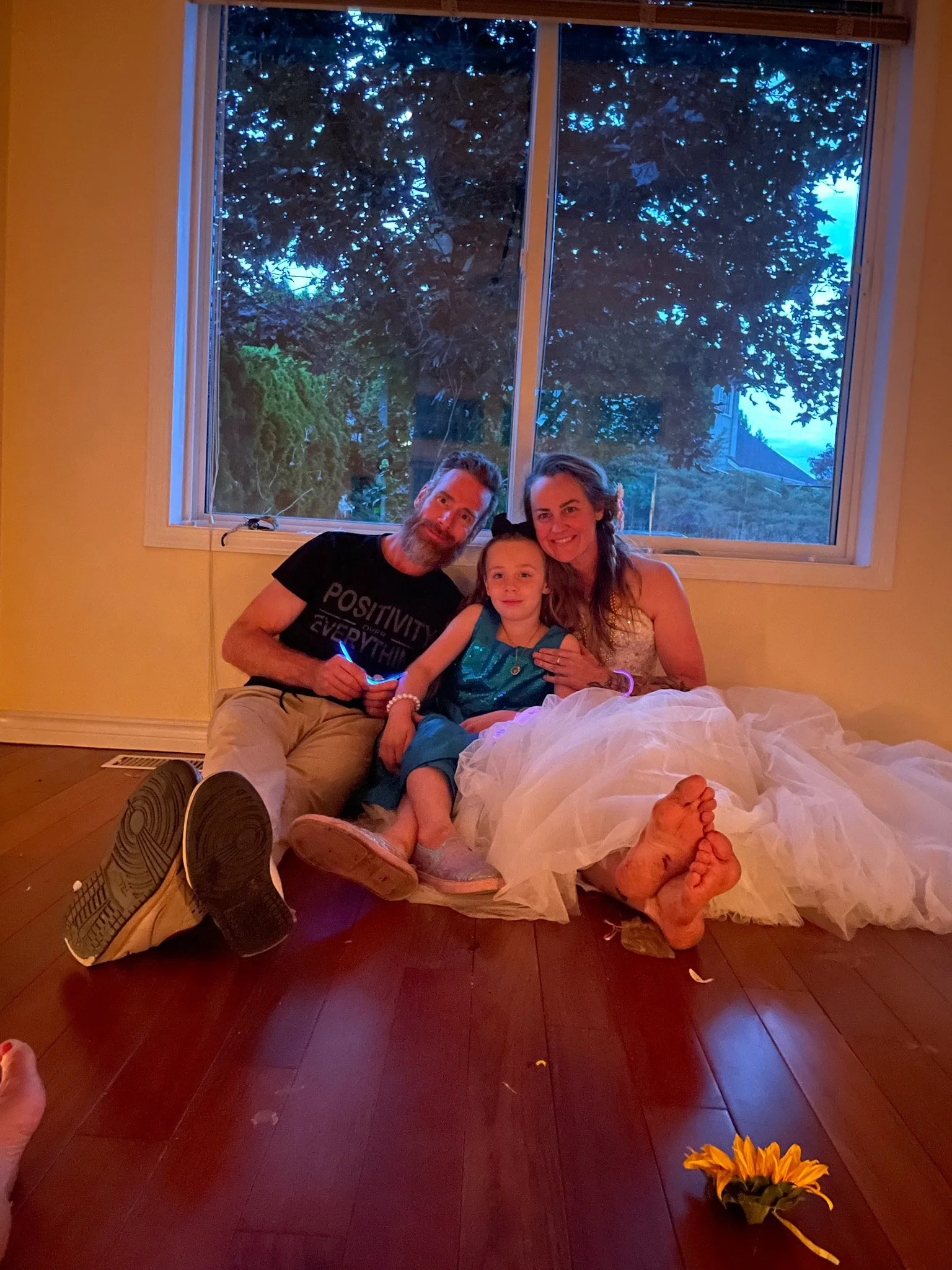
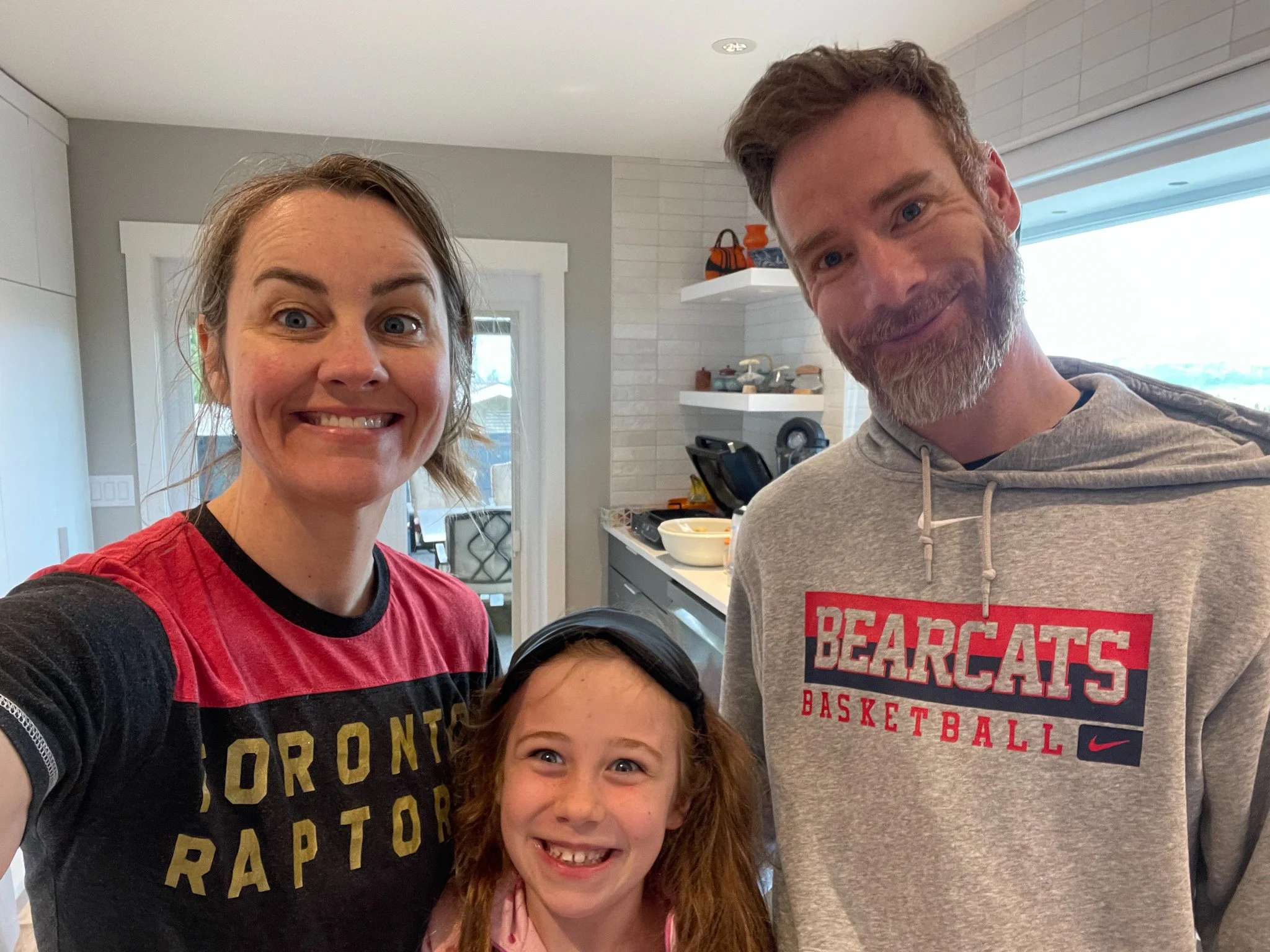
And perhaps one of the most beautiful parts of this story is how Arend and I, through immense grace and maturity, have navigated this divorce together. I do not dismiss the layers of grief we’ve both moved through, nor the reality that Scarlett’s parents are no longer married. That is now part of her story too. But what has marked this journey is not drama, conflict, or fighting—it has been kindness, honesty, and peace. After filing our paperwork today we walked across the street, shared drinks and appetizers, laughed, and remembered stories together. Scarlett has been brought along gently in this, and one day when she tells her friends that her parents are divorced but still love each other, still share friendship, some may say, “No way, that’s not possible.” And she will be able to smile and say, “Yes, it is. My parents love each other.” And perhaps that is the quiet miracle worth noticing too.