
trust
Someone asked me the other week if I trusted myself. And I paused. Not because I didn’t know the answer - but because I was surprised by it.
I said, “Yeah… I do. I actually trust myself.” And that felt big to say out loud.
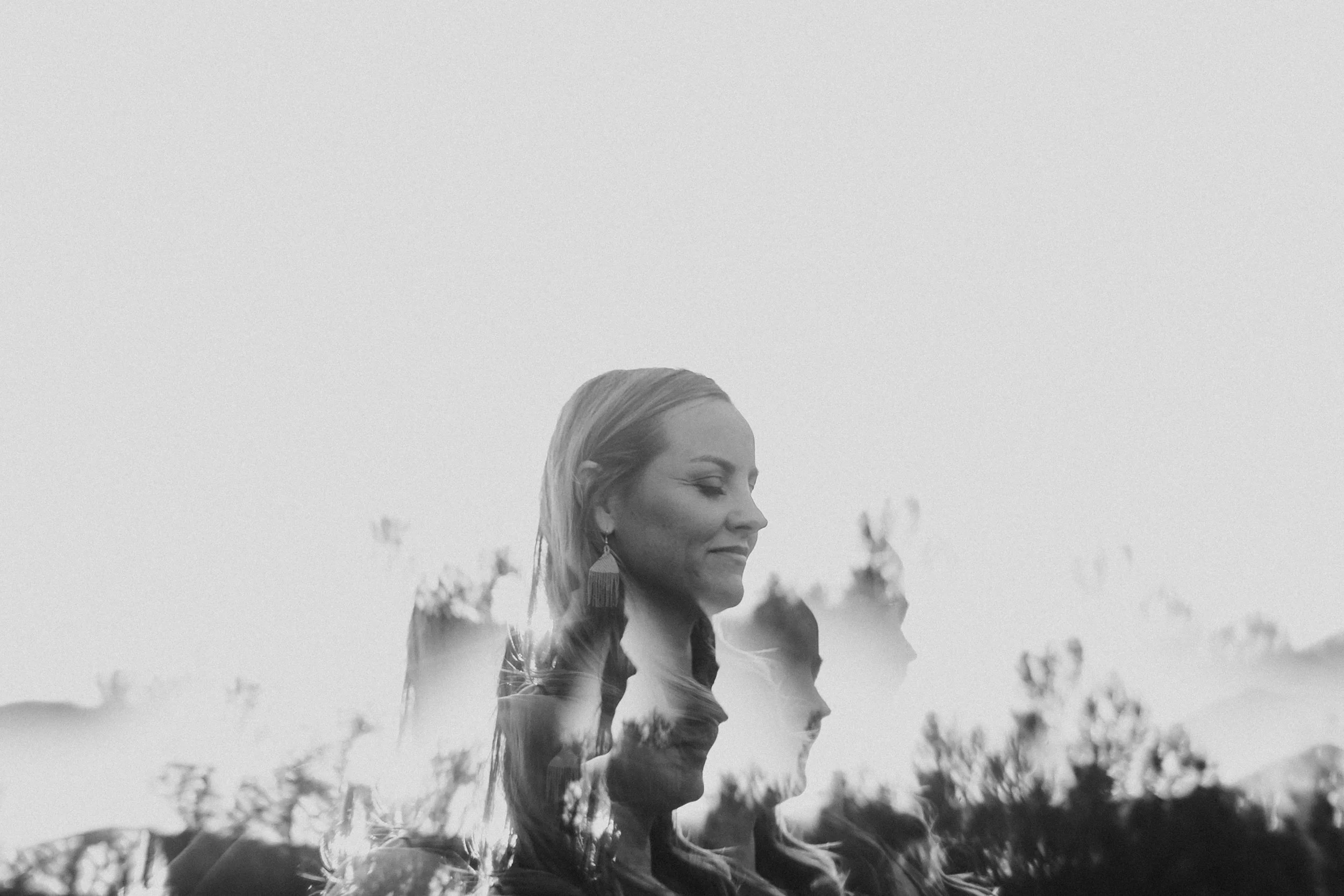
Self-trust is the first secret of success. - Ralph Waldo Emerson
Because when I really reflect on how I got here, it wasn’t something I just decided one day. It wasn’t an affirmation I repeated until I believed it. And it definitely wasn’t a straight line. It was built slowly, quietly, in moments no one else ever saw.
Over the years, I’ve had dozens - maybe hundreds - of conversations with clients about self-trust. About listening to their bodies. About following their intuition. About learning to choose themselves.
And yet, not that long ago, I sat with a part of myself who made something painfully clear: She didn’t trust anyone. Not other people. And honestly… not me either.
And I remember thinking, well, that makes sense. Because if a part of you doesn’t trust you, how could you possibly trust anyone else? How could you relax into love, or friendship, or support, if inside there’s a part of you who learned that being alone was safer than being let down? That was a hard and very humbling realization.
What I’ve come to understand is that trust doesn’t start with other people. It starts with whether we are willing to return to the parts of ourselves we once had to leave behind. The parts that learned to be hyper-independent. The parts that learned not to need anyone. The parts that learned not to hope too much, not to want too much, not to feel too much.
In parts work (IFS), we often talk about exiles - the younger, hurt parts of us that carry fear, shame, and loneliness. And we talk about protectors - the parts that learned how to keep us safe by staying guarded, controlling, or emotionally distant. But underneath all of that is something very simple and very human: Parts of us stopped trusting because no one came when they needed help. So they learned to survive on their own. And then, years later, we wonder why trusting feels so hard.
For me, self-trust didn’t come from forcing myself to be brave or positive. It came from slowly becoming someone my own nervous system could rely on. From showing up for myself when things were uncomfortable. From staying when emotions were big instead of numbing or escaping. From listening when my body said no, even when my mind wanted to push. From learning how to parent the parts of me that never really felt safe.
And I think that’s why parts work is not separate from trust - it is how trust is rebuilt. Because every time you notice a scared part and you stay… every time you choose kindness over criticism… every time you don’t abandon yourself in moments of fear or longing… you are sowing a seed.
Self-trust, I’ve learned, grows the same way anything living does. Not all at once. Not perfectly. But gradually, through repeated care. One moment of listening. One boundary honored. One feeling allowed. One younger part welcomed home. And over time, something shifts.
You start to feel safer inside your own body. Your decisions feel less frantic. Your relationships feel less like something you have to cling to. Because the foundation is no longer outside of you. It’s within.
And maybe this is the part I wish more of us were told: Trust isn’t something you either have or don’t have. It’s something you grow. It’s something you practice. It’s something you build by becoming someone your own system can depend on.
And that takes time. And patience. And a lot of compassion for the parts of you that learned not to trust in the first place.
So if trust feels hard right now, that doesn’t mean you’re broken. It probably means you adapted. And now, gently, you’re learning a new way.
One seed at a time.