
The Power of Staying
A nervous system reframe on attachment, love, and why everything changed
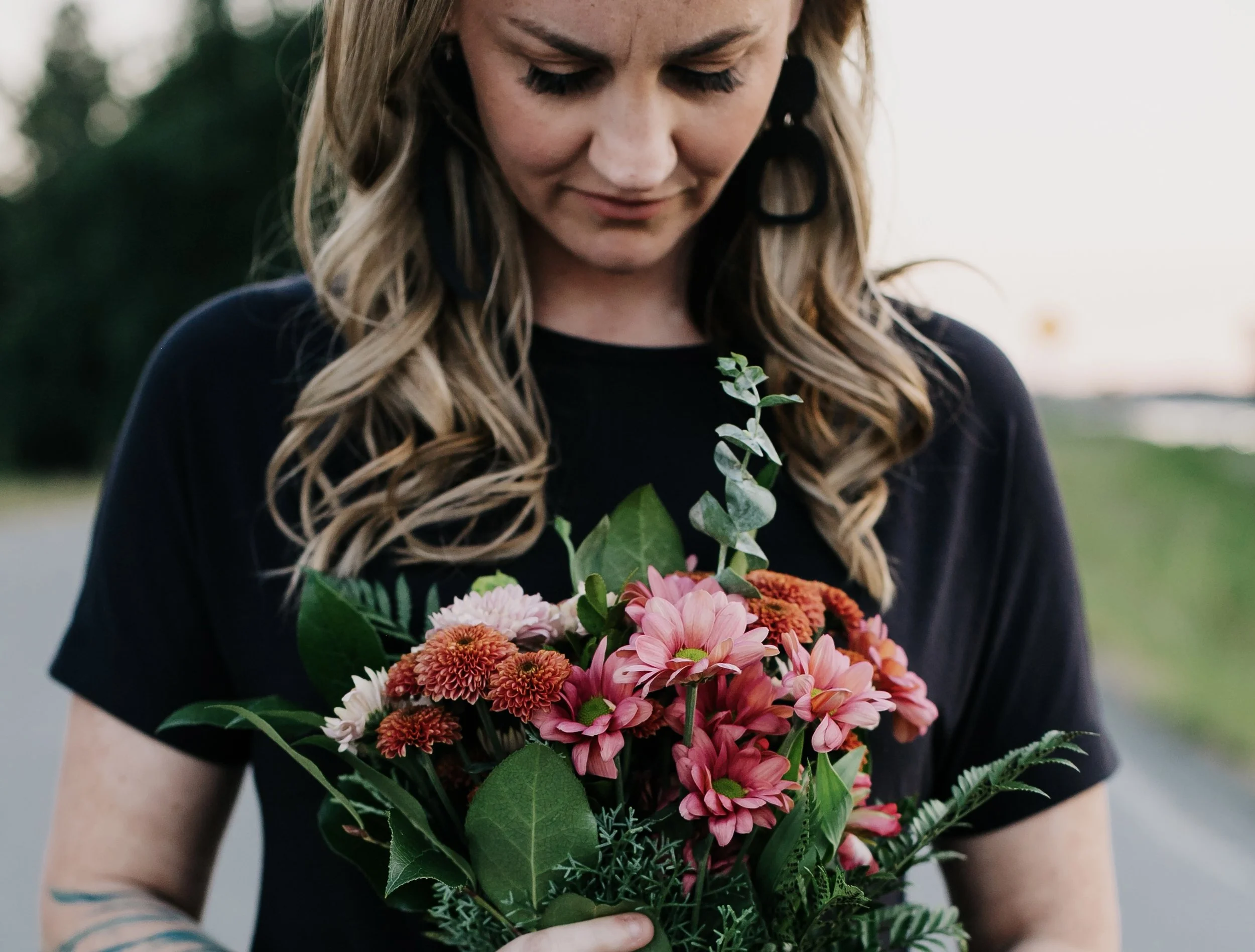
To heal is to touch with love that which we previously touched with fear. - Stephen Levine
For most of my adult life, I moved from one relationship to the next. Sometimes slowly. Sometimes dramatically. Sometimes telling myself this one is different.
Looking back, I can see that many of these relationships echoed familiar dynamics - patterns that lived in my family system, in my parents’ marriage, in early attachment wounds that I didn’t yet have language for. I don’t need to get into the details of that here. What matters more is this: My nervous system didn’t know how to stay. So when love appeared, something in me moved.
Here’s the simplest way I know how to explain attachment now - without jargon, diagnoses, or blame. Attachment isn’t about who you love. It’s about how your energy moves when connection appears.
When intimacy enters the room, your nervous system tends to do one of three things: It reaches. It retreats. Or it stays. That’s it. Everything else we call “attachment styles” are just strategies built around those movements.
For years, my system oscillated between reaching and retreating - sometimes within the same relationship. Forward energy trying to secure love. Then backward energy trying to protect myself from it. It wasn’t drama. It wasn’t immaturity. It was regulation.
For a long time, I thought chemistry meant love. What I didn’t understand then was that chemistry often isn’t about compatibility - it’s about familiar activation. It’s the nervous system recognizing something it knows how to respond to, even if that response is anxiety, vigilance, or collapse.
Eventually, I entered a relationship where something different happened. My nervous system stabilized enough to receive safety. That relationship was with my now ex-husband, Arend - a good man whose steadiness gave my system the rest it had never known.
This isn’t a statement about hierarchy or “better” love. It’s simply the truth that, at that point in my healing, my system could rest in his steadiness. There was less chasing. Less fear. Less internal motion. And for a while, that safety mattered more than anything else. What I couldn’t see at the time was that safety wasn’t the end of the healing - it was the container that allowed deeper healing to begin.
Over the years that followed, I didn’t just work on relationships. I learned how to:
Stay with uncomfortable feelings
Stay with grief instead of bypassing it
Stay with parts of me that had always been rushed, fixed, or silenced
Stay present when fear arose instead of moving away from myself
Slowly, something fundamental changed. The energy that once rushed forward or pulled back… settled. Not because life became perfect. Not because fear disappeared. But because I stopped abandoning myself when fear showed up.
This is the part I wish someone had told me earlier: Healing attachment isn’t about learning how to hold on or let go. It’s about learning how to stay. Stay in your body. Stay with sensation. Stay when love activates fear instead of running from it.
Secure attachment isn’t flashy. It’s quiet. It’s subtle. It often feels almost like nothing is happening - because the nervous system isn’t bracing or chasing. And paradoxically, that’s when everything changes.
These days, love feels different. Calmer, but not dull. Present, but not effortful. Alive, without urgency. I no longer measure connection by intensity. I notice whether my body can stay. And what I’ve learned is this: When you learn to stay with yourself, fear stops needing to run the show. Love doesn’t disappear. It becomes real.
If you’ve found yourself moving from relationship to relationship, wondering what you’re doing wrong, I’ll offer this gently: You’re not broken. Your nervous system just learned to move before it learned to stay. And staying - real staying - is a skill you can learn.
One breath. One moment. One act of presence at a time.